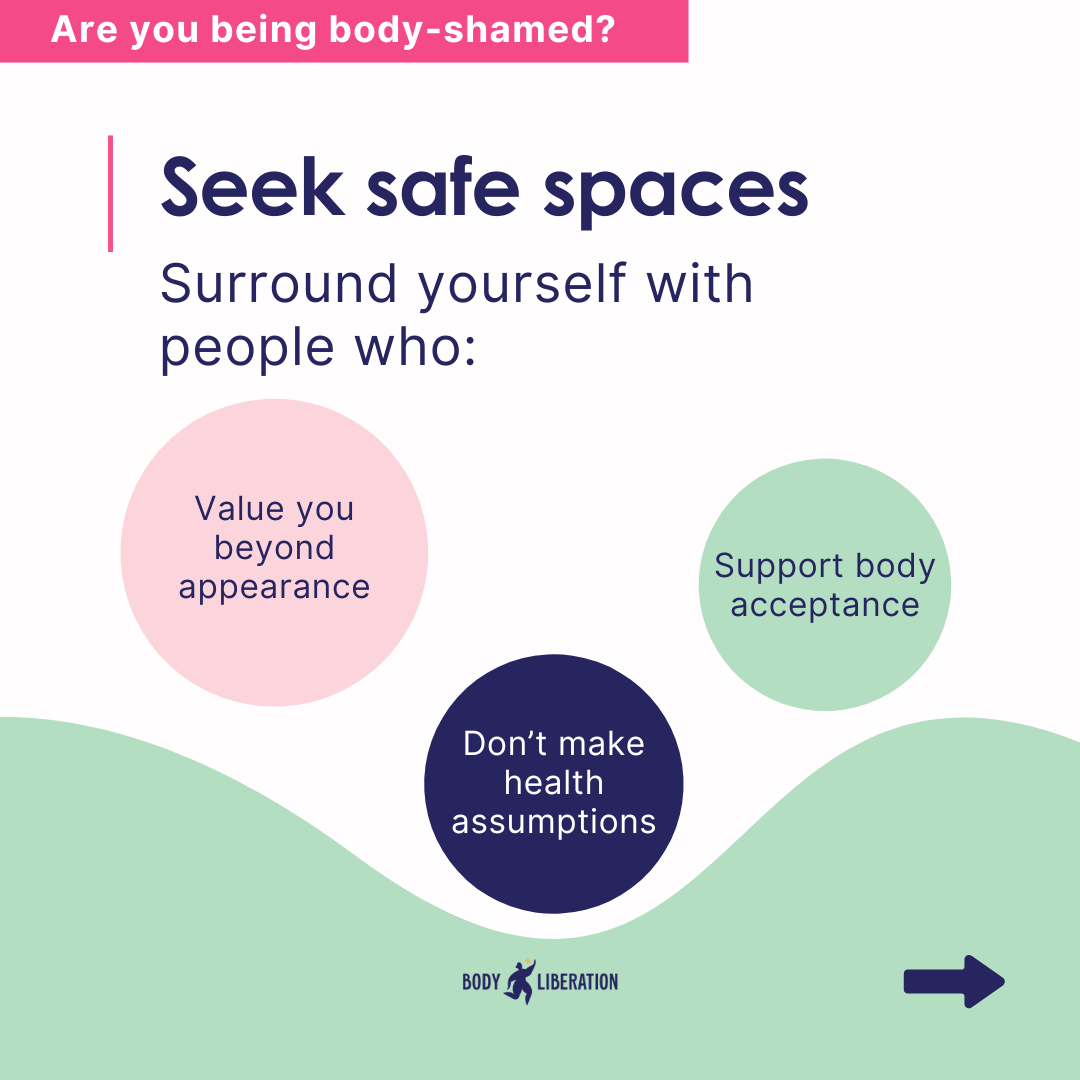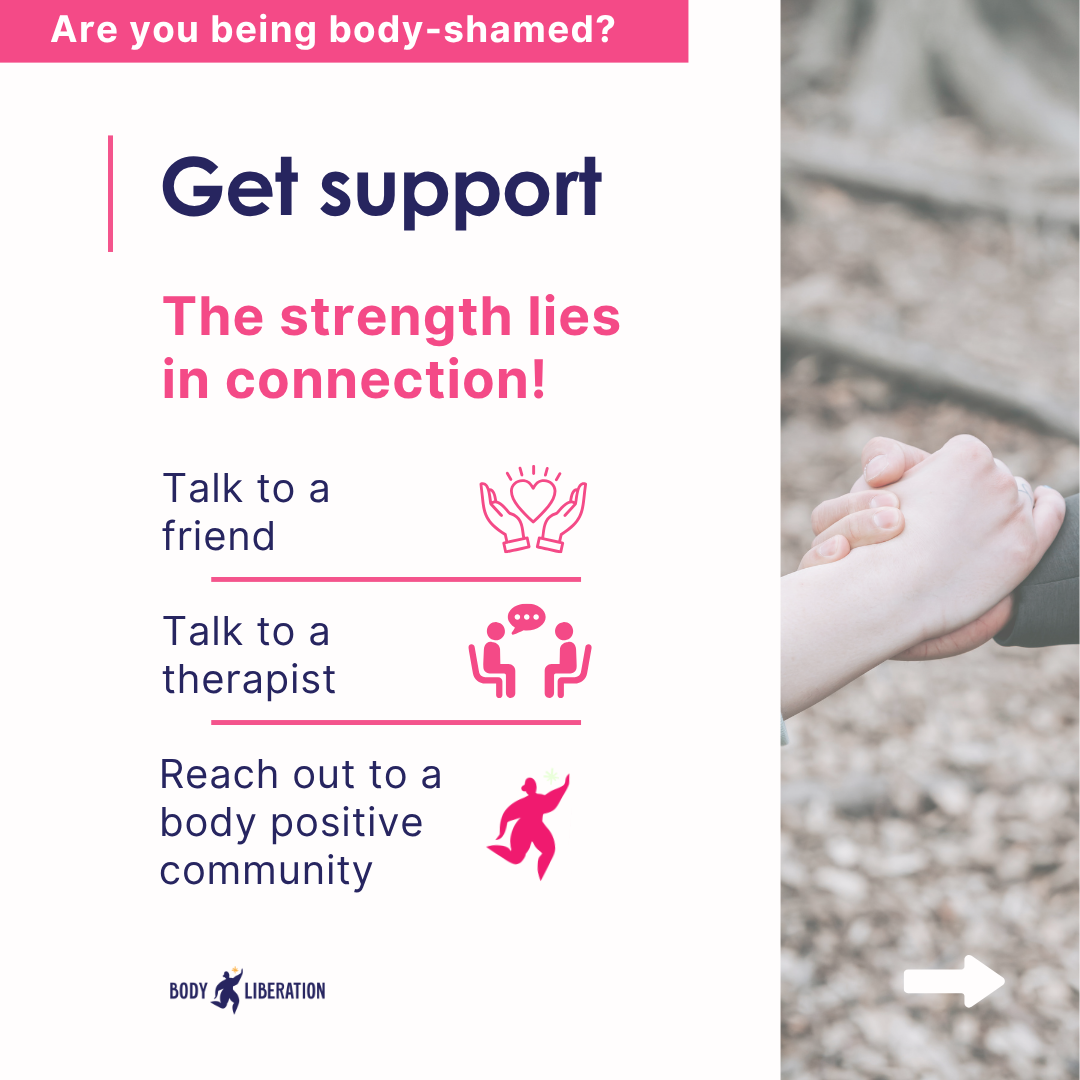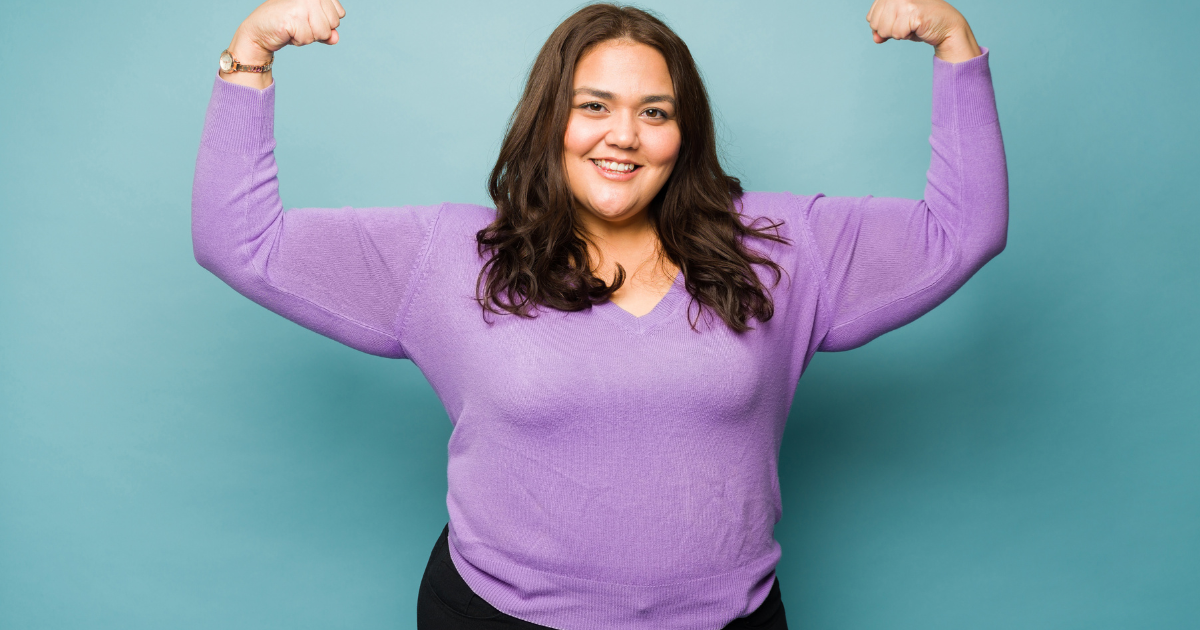
Findings in our report “Body Liberation for Gender Equality in Europe” told that young women in all body sizes encounter body shaming frequently. Simultaneously they don’t know how to deal in these situations or are afraid to stand up to the perpetrators because they are often some of the closest people. Finding courage to speak up is not easy, but learning scripts and phrases ahead can be helpful assistance in building the confidence to finally do so.
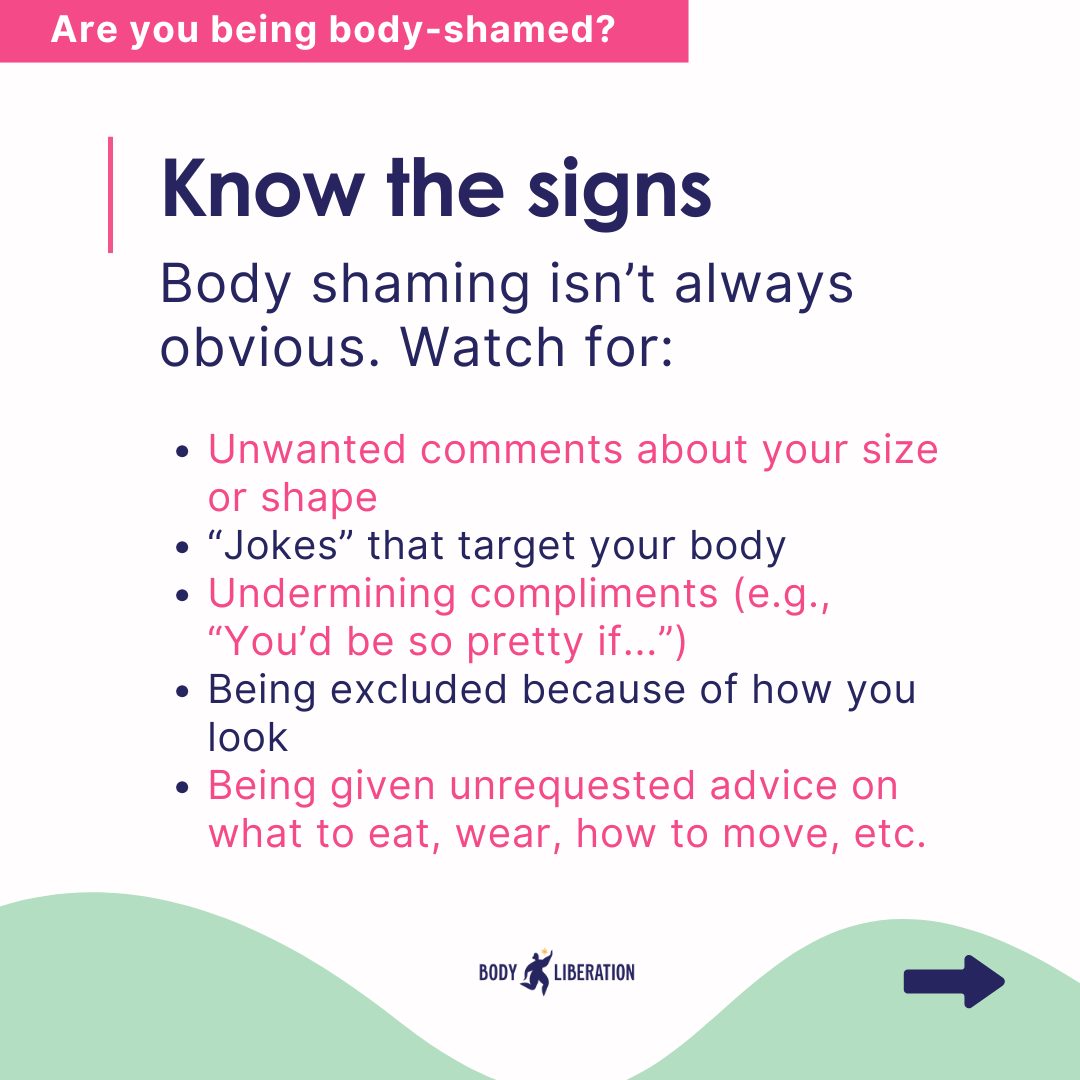
Body shaming can happen anywhere: at school or university, at work, during family gatherings, at the gym, on dates, or online. It can sound like “Have you gained weight?”, “You’d look better if you lost a few kilos,” “You’re too skinny,” or “I’m just worried about your health.” Sometimes it is disguised as a joke or as “helpful advice.” Whatever the intention, comments about your body can hurt.
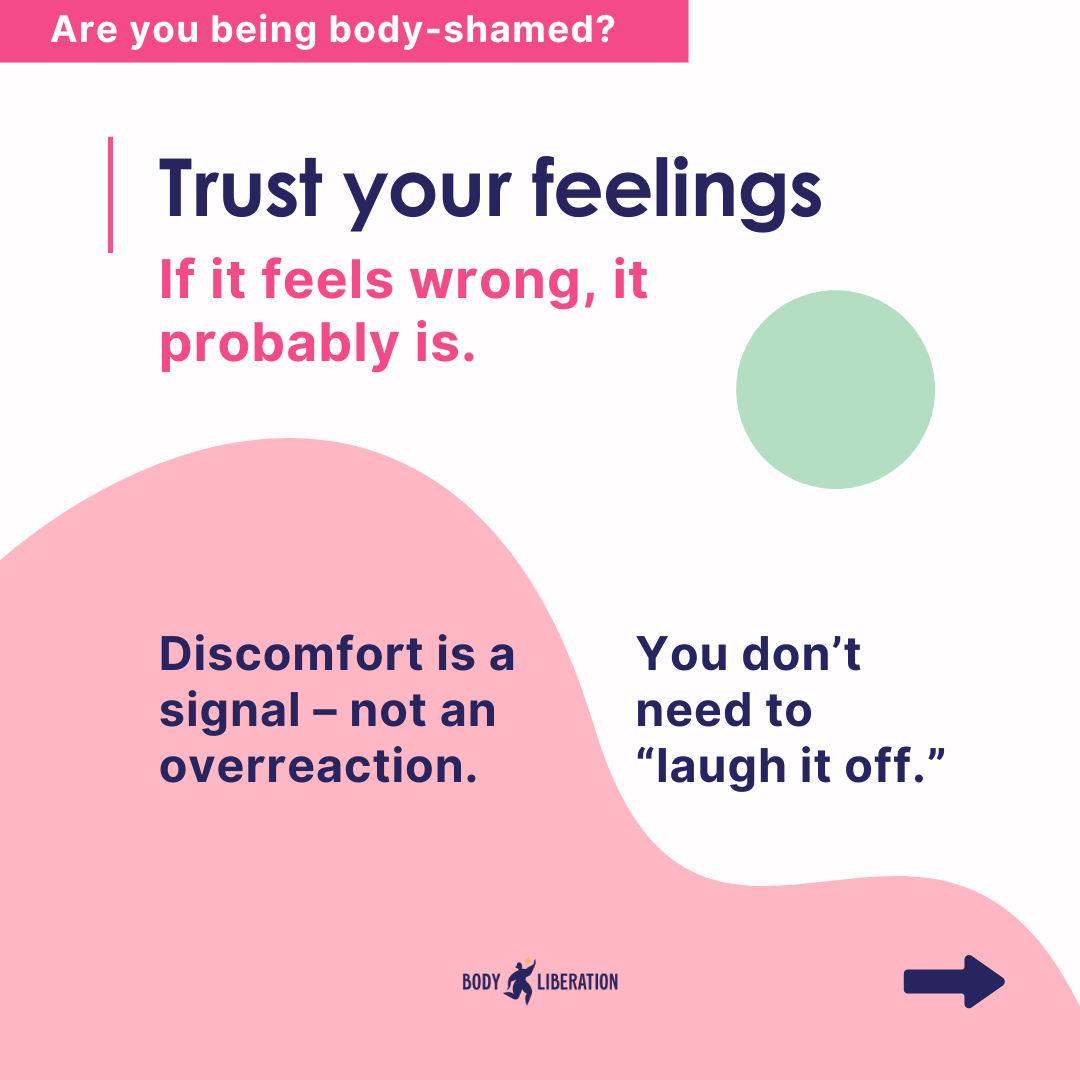
Stress often activates our automatic fight, flight, freeze, or fawn responses, making it difficult to think clearly in the moment. If you freeze in moments when you are body shamed that is a reaction you should not feel bad about. You do not have to respond immediately, or at all.
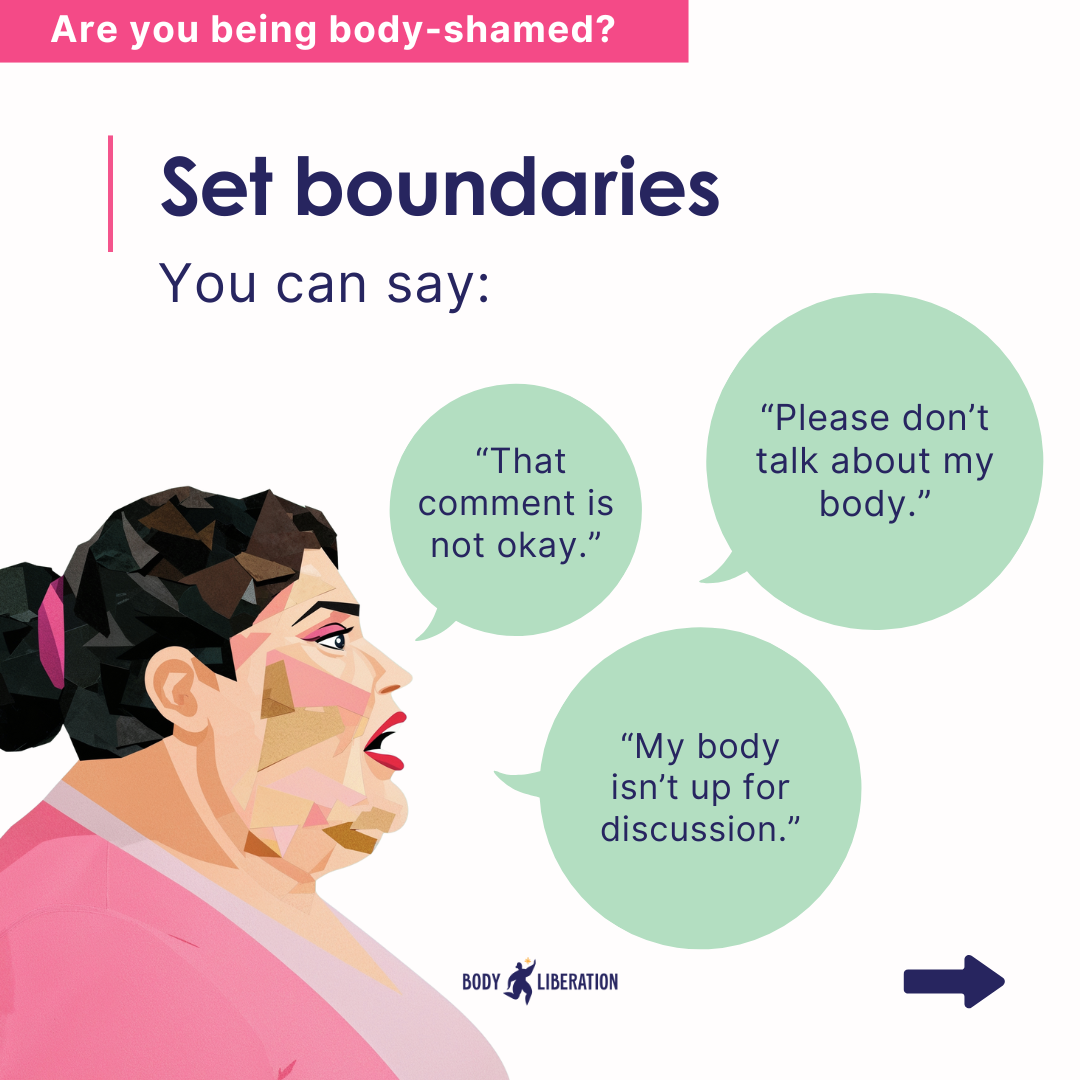
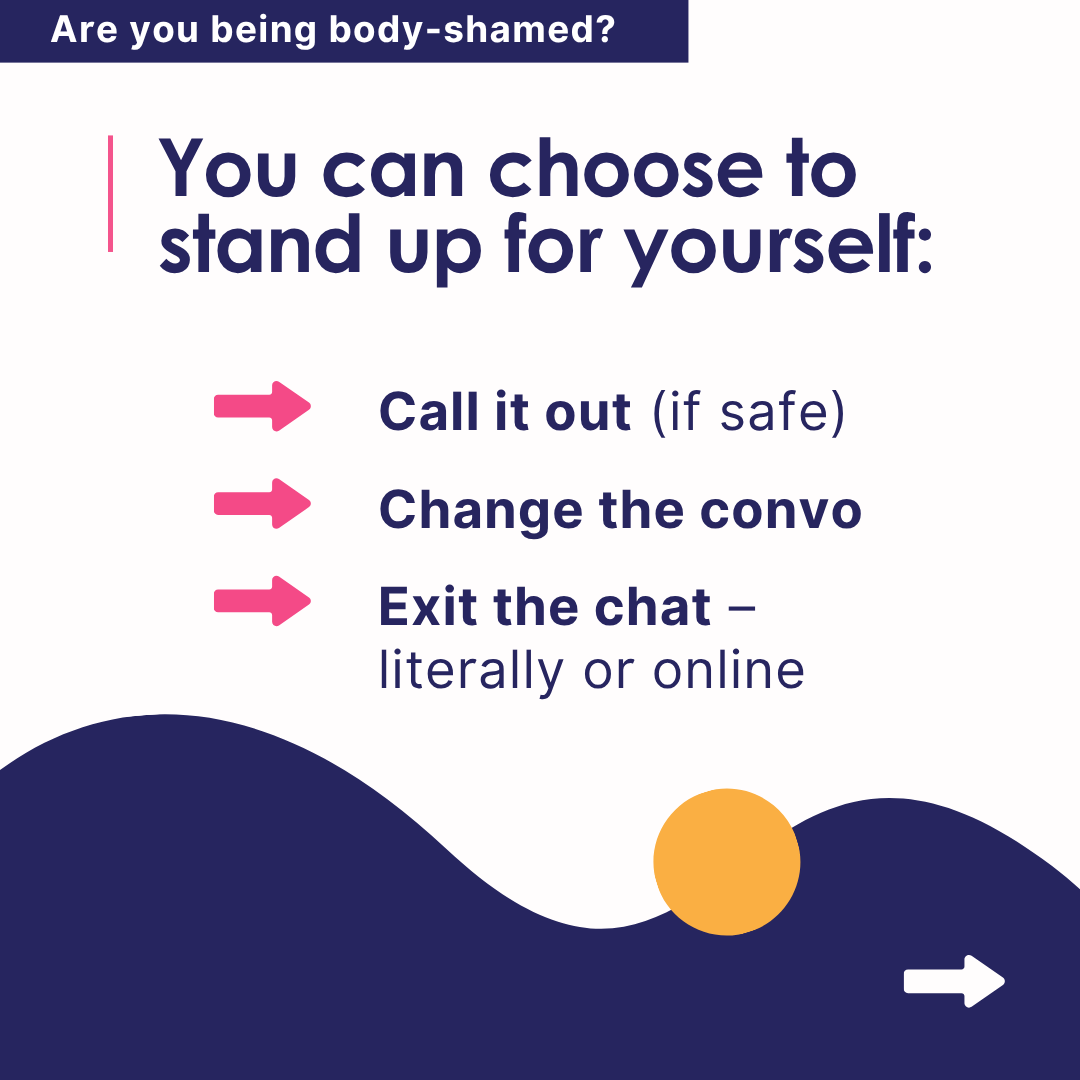
But if you have decided that you would like to stand up against the unwanted comments, there are a few strategies you can use. Here are a few ideas you can memorize:
- Set a boundary: “I’d rather not discuss my body.”
- Name the behaviour: “That comment makes me uncomfortable.”
- Ask a question: “Why do you think it is okay to comment on my appearance?”
- Redirect: “Let’s change the subject.”
- Use humour, if it feels right: “My body is not today’s discussion topic.”
- Leave the situation: Walking away is a valid response when someone refuses to respect your boundaries.
Remember that you do not owe anyone an explanation about your weight, health, eating habits, or appearance. If body-shaming comments come from friends, relatives, or colleagues, repeating the same boundary can be more effective than trying to convince them. Assertive communication, which means expressing your needs clearly and respectfully, is linked to greater self-esteem and healthier relationships. Self-compassion can also reduce the emotional impact of weight stigma by helping us respond to ourselves with kindness instead of self-criticism after hurtful experiences.
Body shaming reflects social prejudice, not your value. Every time you protect your boundaries, you build resilience for yourself as well as set a good example for surrounding people who might experience something similar.