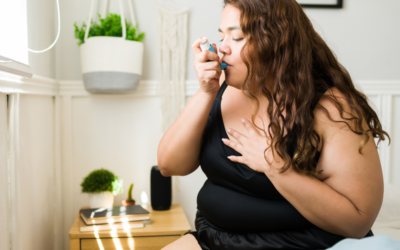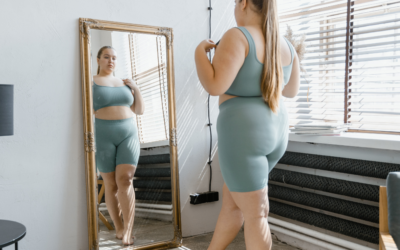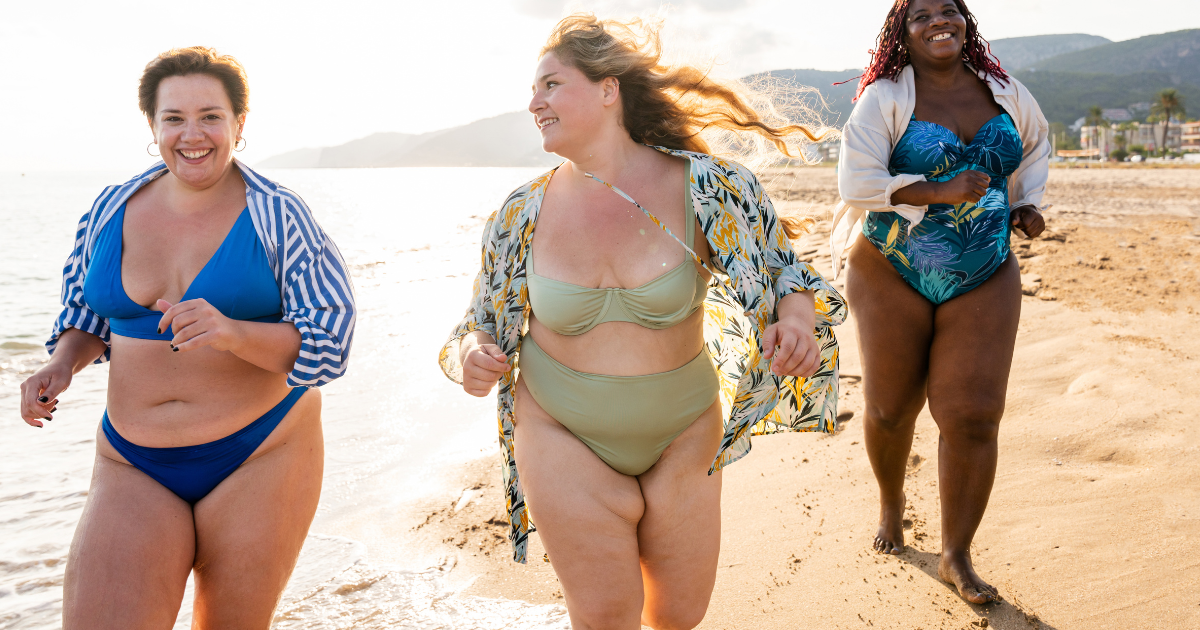
Many young people avoid particular situations where their bodies are visible or might potentially be judged. Not because they don’t want to participate, but because showing up in public can feel too risky. This isn’t about individual confidence, but about how body shame, stigma and narrow appearance norms quietly shape who feels welcome in public life. How to navigate these issues in youth work and other spaces? This article provides insight, based on our findings in report “Body Liberation for Gender Equality in Europe”
The bodies we don’t see
Across Europe, large international surveys show that around one‑third of adolescents feel “too fat,” with girls reporting these concerns more often than boys. Body dissatisfaction is strongly linked to depression, anxiety, low self‑esteem and disordered eating, especially among girls and young women.
At the same time, young people who live in bigger bodies, disabled bodies or who express gender in non‑normative ways are more likely to encounter direct stigma like teasing, “health” comments, exclusion, or being treated as less capable. Research on weight stigma in youth shows that this doesn’t just hurt feelings – it predicts worse mental health, poorer school outcomes and more harmful coping behaviors, including extreme dieting, avoidance of physical activity and substance use.
When you add racism, ableism, transphobia or class inequality, the risks multiply. Youth who live at these intersections often learn very early that their bodies will be judged before their ideas, skills or character.
How shame and norms shut people down
Shame is more than feeling embarrassed. As Brené Brown puts it, it’s the “intensely painful feeling of being unworthy of love and belonging.” When shame is attached to our bodies (too big, too small, too “different”) it becomes a powerful barrier to participation. Young people may avoid situations where their bodies could be evaluated: swimming lessons, sports, parties, speaking up in groups, even attending school on certain days.
Our research on experienced weight stigma among young women shows that these experiences often come from the very adults and peers who are supposed to be protective – teachers, parents, coaches and healthcare professionals. In our needs analysis with young women aged 18–35 in Latvia, Czechia and Cyprus, more than 80% reported teasing or jokes about their body and nearly three‑quarters had heard hurtful comments like “you should lose weight.” School/university and family/home were the two most common settings where this happened.
This repetition matters. Brown’s work on shame shows that, when we expect judgment, we either hide, people‑please or fight back. All of which make authentic participation harder. For a young person, “hiding” might mean staying off the sports field, avoiding Erasmus+ exchanges, never raising a hand in class, or dropping out of activities where their body is too visible.
What we learned from youth work
In the Body Liberation for Gender Equality survey, respondents elaborated on three main areas affected by body‑related pressure: mental health, physical health behaviors, and participation.
- Nearly half said body image pressures affected their mental health “quite a lot” or “very much,” including mood, anxiety, self‑esteem and eating habits.
- Two‑thirds reported that their exercise, eating or body care were influenced by shame rather than wellbeing.
- Just over half initially said participation in school, work and social activities was “not at all” affected—but when asked about specific situations, a different pattern appeared.
Using items adapted from the Body Image Life Disengagement Questionnaire (BILD), young women described being stopped “a little,” “somewhat” or “very much” from everyday activities by worries about their body or appearance. Shopping for clothes, going to the beach or pool, and participating in sport were the most affected, with around two‑thirds reporting some level of disengagement. Around one‑third said appearance concerns had stopped them from pursuing romantic relationships to at least a moderate degree.
In these kind of social settings also non‑formal education often happens: group activities, movement, shared living, social events. When body shame is high, participation doesn’t feel like growth, but rather like exposure.
Beyond fixing body image
Traditional “body confidence” messages often focus on individual attitude: love yourself more, be brave, stop caring what others think. But research on both negative and positive body image suggests this is not enough.
Dianne Neumark‑Sztainer and colleagues have shown that many school‑based programmes accidentally reinforce body dissatisfaction by over‑emphasizing weight and dieting, even when they are meant to promote health. They argue for integrated approaches that address both disordered eating and obesity without shaming bodies. Positive body image research (e.g. Tylka’s Body Appreciation Scale) highlights that what protects young people is not perfection, but learning to respect the body, attend to its needs, and reject unrealistic appearance ideals.
In our survey, young women echoed this shift. They did not only ask for “more confidence”; they wanted
- concrete scripts and communication skills to respond calmly and assertively to body‑related comments;
- emotional regulation tools and trauma‑aware support when body shame feels overwhelming;
- communities where diverse bodies are visible, respected and defended;
- and, most importantly, a culture that stops commenting on bodies altogether.
What we can conclude from this is the understanding about several barriers to participation. Namely, young women and people in general will experience drop in participation if they have concerns around their bodies and image thereof. So how do we build culture that empowers diversity of bodies, starting from individual resilience to genuinely inclusive spaces that welcome all kinds of bodies?