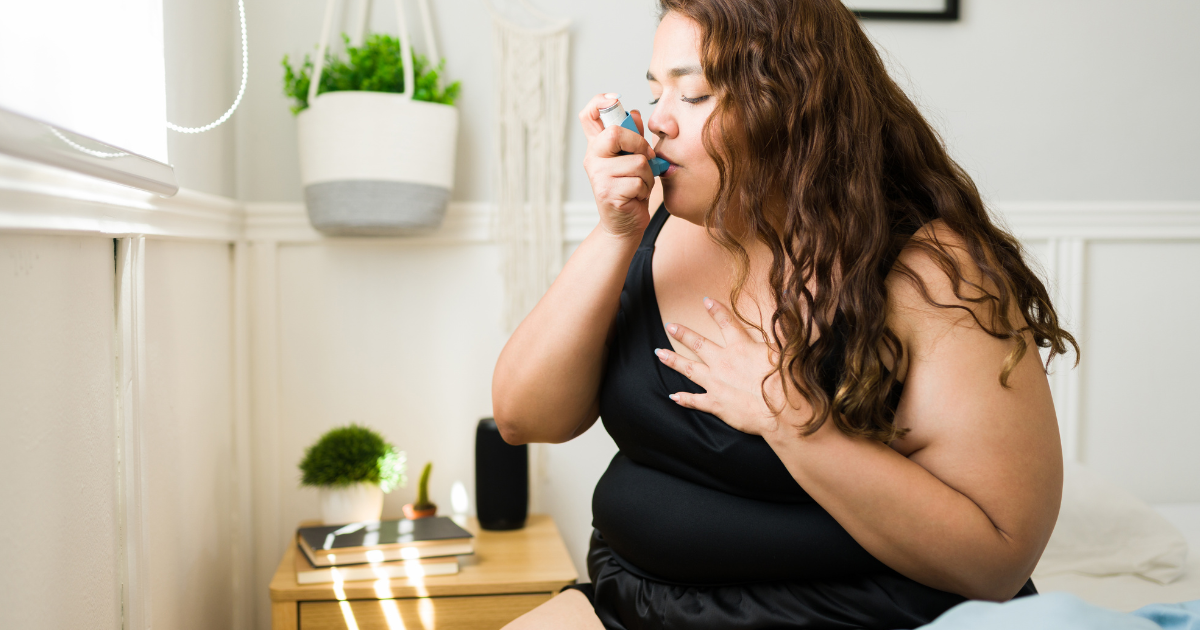
For many young women, body image is already complicated. Social media, gender expectations, diet culture and pressure to look a certain way can make them feel that their bodies are never quite good enough. For young people living with chronic illness, there can be another layer: managing pain, fatigue, changing symptoms, medication, medical appointments and uncertainty about what their bodies can do from one day to the next. Their bodies may also look different because of illness or treatment. Weight may change. Skin, hair or mobility may change. Some conditions are visible, while others are invisible. A young person may look “fine” while using most of their energy simply to get through the day. This is where body liberation principles can be a helpful lens to learn and support young women with chronic illness in youth work.
When the body does not work as expected
People living with chronic illness often have to negotiate between what their bodies need and what the world expects from them. They may need to rest when their friends are active. They may cancel plans because of pain or fatigue. They may struggle with concentration or mobility. They may need medication or mobility aids. They may have days when they can participate fully and other days when they cannot.
Research shows that young people with chronic illness can experience more negative body image than their healthy peers. A large meta-analysis found a small but significant difference in body image between young people with and without chronic physical illness. (Pinquart, 2012)
More recent research also shows that body image concerns can be linked to the visible effects of illness and treatment. For example, a 2024 review of young people with rheumatic and musculoskeletal diseases identified body image, self-esteem and self-concept as important concerns, with visible symptoms and medication side effects sometimes contributing to negative body image. (Leon et al., 2024)
For youth workers, this means that body image should not be understood only as a question of appearance. It can also be about what a body can do, how it is treated by other people, and whether a young person feels at home in their own body.
Weight stigma can make things harder
Weight stigma is another important part of this conversation. Young people are surrounded by messages that link thinness with health, discipline, attractiveness and success. Larger bodies are often blamed for health problems or treated as something that needs to be fixed. This can be particularly difficult for young people with chronic illness. A young person may experience weight changes because of medication, reduced mobility, hormonal changes, stress or the illness itself. Yet they may still be told that changing their weight is the solution.
Weight stigma is not a harmless form of motivation. Research has linked weight stigma in young people with poorer mental health, including lower self-esteem and psychological distress. (Warnicket al.,2022) Research also shows a relationship between weight stigma and disordered eating thoughts and behaviours. (Levinson et al.,2024).
More than feeling good about your body
It is important to understand the above described aspects to truly understand why body positivity is not a feasible or helpful approach. It promotes telling young people to love their bodies. That can be unrealistic, especially for someone living with pain, disability or chronic illness, and encountering intersectional societal bias on a daily basis. There will be days when you will love your body, but others – not so much. But with the right tools and support, navigating this world will be more manageable. This is why body liberation asks us to challenge the idea that some bodies are more valuable than others.
- They do not need to hide their symptoms to make other people comfortable.
- They do not need to be productive all the time to have value.
- They do not need to be physically active to belong.
- They do not need to look healthy to be included.
- And they do not need to look a certain way to be healthy.
Why is this a gender equality issue?
Girls and young women can face strong pressure to be thin, attractive and youthful, even when they are unwell. That expectation can be particularly difficult for people with invisible or fluctuating illnesses. Someone may look fine while experiencing significant pain, exhaustion or sensory overload. They may need to explain why they cannot participate, why they need to sit down, why they cancelled plans or why an activity took more energy than expected.
Over time, this can create pressure to prove that their illness is real. Research on chronic pain has described how women may have to establish the credibility of their symptoms, especially when those symptoms are not visible or do not fit familiar ideas about illness. Research with young women living with psoriasis, eczema and acne has likewise highlighted the effects of appearance-related symptoms, unrealistic beauty standards and a lack of support. A young woman should not have to perform illness in a way that makes other people comfortable.
What can youth workers do?
Youth workers cannot remove chronic illness, medical stigma or the wider systems that make participation difficult. They can, however, help create spaces where young women are not expected to carry those pressures alone.
Make rest ordinary. Do not make the person with chronic illness the only participant who is allowed or expected to take a break. Build pauses into activities for everyone. Make it acceptable to sit, step outside, change position or take time away without having to justify the decision.
Challenge weight stigma. If participants make jokes about weight, dieting or bodies, do not simply move on. Pause and question the assumption behind the comment.
Plan for flexible participation. A young woman should not have to choose between taking part and her wellbeing. Offer more than one way to participate. Consider:
- seating and posture;
- movement and physical access;
- noise, light and sensory demands;
- the length and timing of activities;
- regular breaks;
- the possibility that someone’s energy may change during the session;
- online, written or asynchronous ways to contribute.
Accessibility should be part of planning from the beginning, not something added only after someone asks for it.
Believe young women. One of the most important things a youth worker can do is listen without making someone prove their experience. If a young woman says she is in pain or exhausted, believe her. Do not make her feel guilty. Especially listen and acknowledge if she shares a hurtful experience about her lived experience in body – just being there goes a long way.
Foster body autonomy. Ask a broader question: what would change if young women did not need to feel beautiful in order to feel worthy? It might mean being able to make decisions about one’s body without constantly negotiating other people’s expectations. It might mean that a larger body does not need to be explained, that pain does not need to be proven and that rest is accepted as part of life rather than treated as a personal failure. It might also mean having more choice about what participation looks like.
Expectations about femininity, attractiveness, energy and productivity are intertwined with the ways we live. Youth work cannot address every part of this system, yet it can still challenge the assumptions that reproduce it and more importantly – create experiences that empower young women and help them build resilience to navigate this complex world.