Body image and weight stigma are becoming increasingly important topics in youth work, yet many educators and youth workers still lack practical methods for addressing them. Appearance pressures, discrimination, and unrealistic beauty standards affect many young people, making it essential to create spaces where these issues can be discussed openly and critically.
As part of our Body Liberation for Gender Equality project, we promote body liberation as an approach that goes beyond self-esteem to challenge stigma and support inclusion. Alongside our project, we would like to highlight several excellent resources that can support youth work and non-formal education.
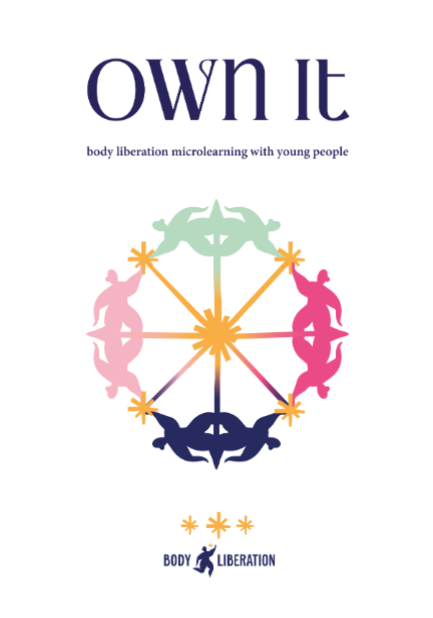
OWN IT: Body Liberation Manual for Youth
It introduces the principles of body liberation and explores how they can be applied in youth work through non-formal education, microactivism, and digital microlearning. In addition to explaining key concepts such as weight stigma and body liberation, the manual includes practical workshop activities, a glossary, reflection exercises, and an online media collection. It is available in four languages and in an accessible screen-reader version, making it a useful starting point for anyone wishing to introduce these topics into their practice.
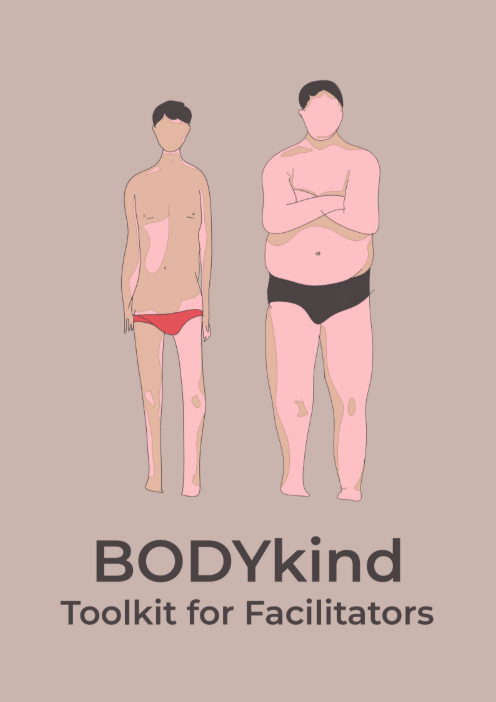
BodyKind
The BODYkind project offers a comprehensive digital toolkit designed to help educators and youth workers facilitate meaningful conversations about body image. Its eight training modules combine theory with non-formal learning activities that strengthen body awareness, critical thinking, and self-confidence while encouraging young people to challenge unrealistic appearance ideals. The project also includes podcasts featuring experts, facilitator guidelines, and practical exercises available in several European languages.
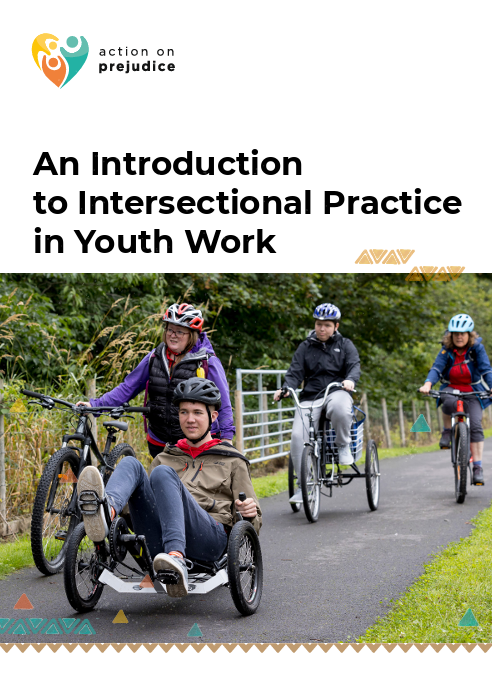
An Introduction to Intersectional Practice in Youth Work
Body image is closely connected to other aspects of identity, including gender, race, disability, sexuality, and social class. This toolkit introduces the principles of intersectionality and helps youth workers better understand how different forms of discrimination overlap and influence young people’s experiences. It offers practical guidance for creating inclusive learning environments and facilitating conversations about inequality, prejudice, and social justice.
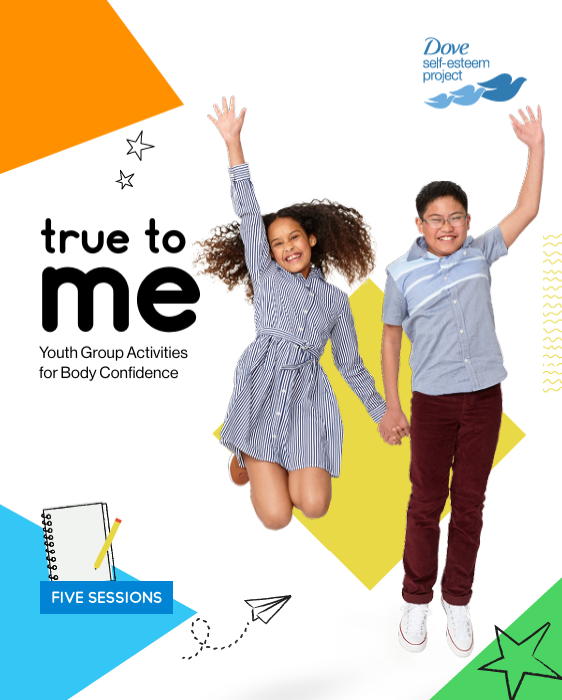
Dove Self-Esteem Project
The Dove Self-Esteem Project provides a wide range of free educational resources developed for teachers, youth leaders, and non-formal educators. Its activity guides, discussion exercises, and evidence-informed programmes help young people build body confidence, challenge appearance pressures, and develop a healthier relationship with their bodies. Several resources are tailored to different age groups and include specialised programmes such as Free Being Me, True to Me, and Proud To Be Me.
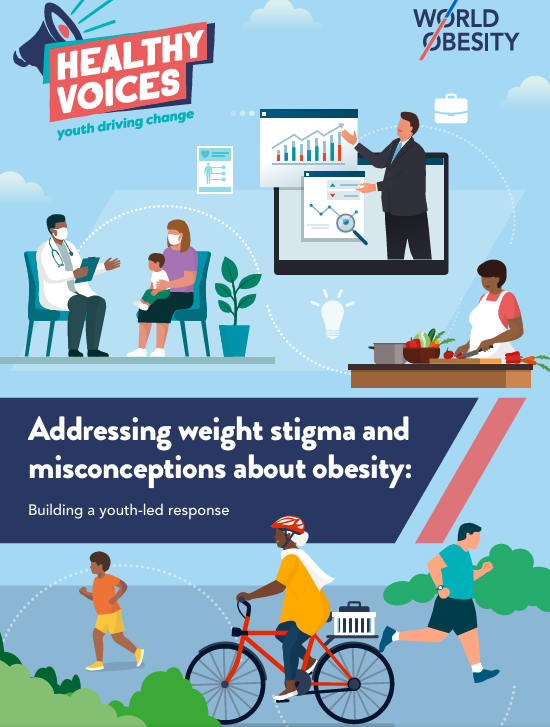
Addressing Weight Stigma and Misconceptions About Obesity: Building a Youth-Led Response
Produced by the World Obesity Federation, this briefing explores how weight stigma affects young people’s mental health, social participation, and access to healthcare. It explains why obesity is a complex chronic condition rather than simply a matter of personal choice, while offering practical guidance on respectful language, inclusive communication, and youth advocacy. It is a valuable resource for anyone who wants to better understand weight stigma and support young people in challenging harmful stereotypes.
Body Liberation for Gender Equality
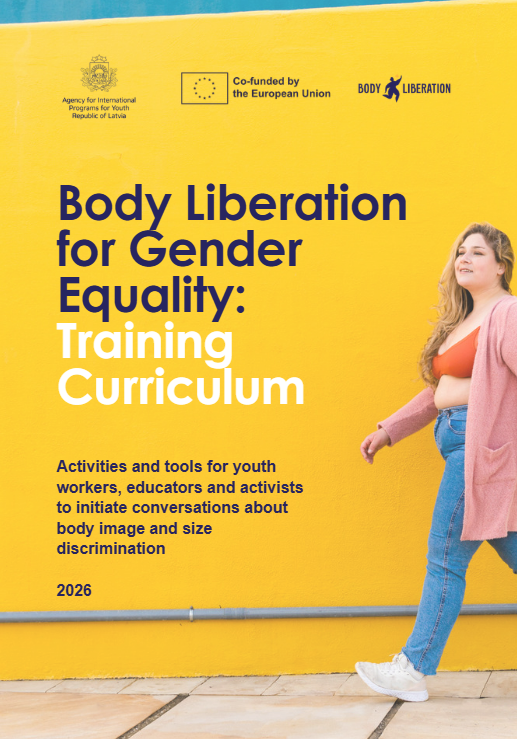
This project explores how body liberation can contribute to greater gender equality by addressing the body image pressures and weight stigma experienced by young women. The project has developed a range of practical resources, including a training curriculum, self-reflection cards, educational materials, and awareness-raising content that help youth workers facilitate more inclusive conversations around body image, body autonomy, and self-advocacy.
Body image conversations are becoming an increasingly important part of youth work. We hope these resources inspire educators, facilitators, and youth workers to explore new approaches, start meaningful conversations, and create environments where all young people feel respected, represented, and empowered. If you develop a useful material on these topics and would like us to feature it in our blog, please reach out to mail@bodyliberation.eu!

This content is developed in Erasmus+ funded project Body Liberation for Gender Equality, 2025-1-LV02-KA210-YOU-000352192. Views and opinions expressed are however those of the author(s) only and do not necessarily reflect those of the European Union or The Agency For International Programs For Youth in Latvia (JSPA). Neither the European Union nor the granting authority can be held responsible for them.