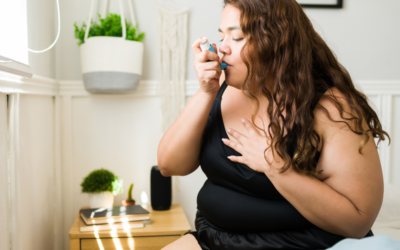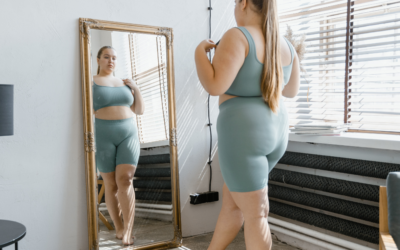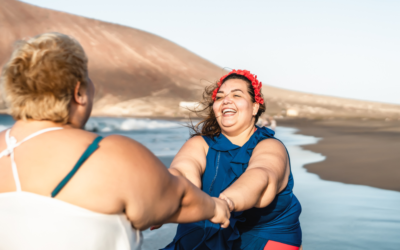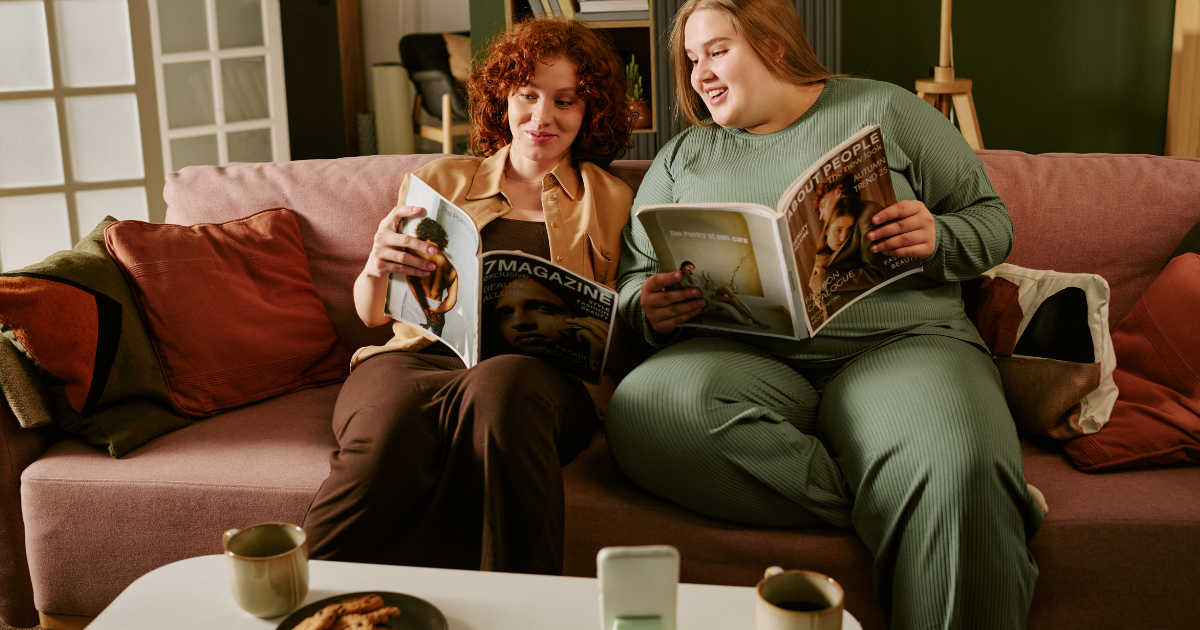
Many young women avoid activities they would otherwise enjoy because they expect to be judged for their bodies. Our report “Body Liberation for Gender Equality in Europe” concluded that this can happen in sport, at the beach, at social events, when shopping for clothes or initiating romantic relationships. The problem is not their bodies, but rather the pressure created by culture that treat some bodies as more acceptable, capable, or welcome than others. As youth workers, we won’t change the culture in a day, but we can work on providing safe spaces within our activities. It creates an environment where they can participate without having to think constantly about how their body looks, yet without asking them to love it every moment. Body neutrality means shifting the focus away from appearance towards embodied experiences and connection.
Start with an honest audit
Before changing an activity, look at the messages it already sends. Ask yourself:
- Do participants have to move, perform, or dress in a particular way?
- Are activities designed around speed, flexibility, strength, or physical confidence?
- Could someone take part while sitting down, taking breaks, or adapting the activity?
- Do the chairs, tables, toilets, changing rooms, and equipment work for different bodies?
- Are young people expected to be photographed or filmed?
- Do staff or volunteers make comments about food, weight, fitness, or appearance?
- Can participants opt out without having to explain themselves?
It can also help to ask young people directly. Anonymous feedback forms, small group discussions, or one-to-one conversations may reveal barriers that adults do not notice. Make sure the responsibility for change does not fall on the young person who is already feeling excluded.
Think about the physical space
A welcoming activity can still become stressful if the room is difficult to use. Check whether:
- Chairs are stable, comfortable, and strong enough for different bodies.
- There is enough space between furniture for people to move safely.
- Toilets and changing areas offer privacy.
- Participants can sit without having to squeeze into a small space.
- Equipment comes in different sizes where possible.
- The room has places for both group participation and quiet breaks.
- Information about accessibility is shared before the activity.
If you are organising a beach trip, sports session, or overnight event, be clear about what participants can expect. Questions about changing rooms, seating, transport, and clothing should be treated as ordinary planning questions, not as inconveniences.
Review your language
Small comments can have a strong effect. Phrases such as “Who wants to work off the snacks?”, “This will be good for your body,” or “You look so healthy” may sound harmless, but they can create pressure and shame.
Try using more neutral language:
- Say “Let’s take a movement break” instead of “Let’s burn off some energy.”
- Say “Choose the option that works for you” instead of “The easier option is for people who cannot manage.”
- Say “There are snacks available” instead of labelling food as good, bad, clean, or unhealthy.
- Say “Would you like feedback?” before commenting on someone’s appearance, clothing, or body.
Avoid guessing what someone can or cannot do based on how they look. A larger body is not evidence of poor health, low fitness, or lack of interest. A smaller body is not evidence of confidence or wellbeing.
Make activities flexible
A body-neutral activity offers more than one way to participate. This is especially important in sport, outdoor activities, dance, drama, and team-building exercises. For example, instead of requiring everyone to run during a team game, offer walking, rolling, standing, or seated options. In a dance session, invite participants to explore rhythm and movement without teaching one “correct” way to use their bodies. During a trip, plan regular rest opportunities and explain the schedule in advance.
Do not make adaptations feel like special treatment. Present them as normal choices available to everyone. Participants should be able to change their level of involvement without being singled out.
Be careful with clothing expectations
Clothing rules often affect bodies differently. A requirement to wear tight sportswear, short clothing, swimwear, or a particular uniform can make participation impossible for some young people. Only require specific clothing when it is genuinely connected to safety or the activity. Explain the reason clearly and offer alternatives where possible. And very importantly – if you are willing to buy gifts for your participants, Tshirt is not always the best option as there can be sensitivities around sizing and also fit. Opt for a souvenir that is not connected to one’s body.
If an activity involves changing clothes, provide privacy and enough time. Never pressure young people to change in front of others or to explain why they need an alternative.
Keep food talk neutral
Food is often used as a way to build community, but it can also bring up shame, dieting, poverty, culture, allergies, and disordered eating. Offer a range of foods without ranking them. Include information about allergens and dietary needs, but do not describe foods as virtuous or sinful. Avoid discussing calories, weight loss, “cheat meals,” or how much exercise is needed to compensate for eating.
A simple rule is useful: talk about food as food. Young people should be able to eat, decline food, bring their own food, or ask for something different without attracting attention.
Plan camera use with care
Photos and videos can be an important part of youth projects, but not everyone feels comfortable being recorded. Some young people may be dealing with body anxiety, harassment, family concerns, privacy risks, or simply a preference not to appear online.
Ask for consent before taking photos or filming. Consent should be specific, voluntary, and easy to withdraw. Do not treat participation in an activity as permission to be photographed. Offer alternatives, such as photographing hands, materials, backs of heads, group work, or the space itself. Make sure young people know where images may be used and who will see them.
Set clear ground rules
Body-neutral spaces need active protection from teasing, jokes, and unwanted comments. At the beginning of a project, agree that participants will not comment on another person’s body, weight, food, clothing, ability, or appearance. If a comment is made, respond calmly and directly:
“We do not comment on people’s bodies here. Let’s return to the activity.”
The person affected should not have to defend themselves or explain why the comment was harmful. Youth workers should also reflect on their own habits. A quick compliment about weight loss or a joke about their own body can still reinforce the idea that bodies are always being evaluated.
That is the work of inclusive youth spaces: not asking young people to change themselves to fit in, but changing the space so more people can belong. When young people do not have to spend their energy hiding, comparing, or apologising for their bodies, they have more energy for connection, creativity, learning, and participation.