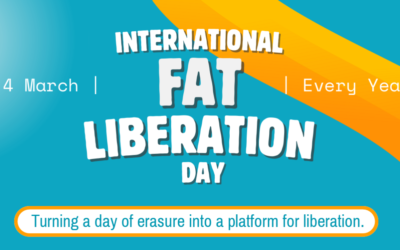
In the project “Body Liberation for Gender Equality” we explored how young women in Latvia, Czechia and Cyprus experience situations related to body image and size discrimination. What we observed is an overwhelming lack of awareness, skills and tools to be able to recognize the wrongdoings in such situations, as well as standing up to set boundaries in most varied places.
While this project aims at addressing some of the issues, the scope of those is beyond our reach. More so, even if women are those who are affected most, every member of society is influenced by the existing harmful cultural values and habits around different bodies. To consolidate resources and increase impact, we call for the support and effort of varied stakeholders at improving the lives of young women across Europe, thus contributing to necessary improvements towards gender equality. Here is what you can do.
Recommendations
For everybody
Become aware of your own stereotypes based on weight, height and body size. Challenge them! Learn about weight stigma or size discrimination and how it manifests itself in our society.
Don’t body shame and use language that is inclusive towards all bodies. Familiarize yourself with the concept of body neutrality!
When possible and comfortable, stand up against appearance-related injustice towards others, it goes a long way knowing that one is not alone in these challenges.
Listen to lived experiences of people in different bodies, and encourage respectful discussion on this topic to normalize talking about it.
For family members and close friends
Learn about the impact of body image issues and weight stigma, especially by listening to your dear ones who experience these challenges. Take their word for it and pay attention if they mention anything, because it takes tremendous courage to speak up and formulate negative experiences around body shaming.
Raise your own awareness of prejudice, bias, or generational views that may impact your expressed behaviours.
When using language inclusive to all bodies, not only avoid commenting on the bodies of others in a way that values one or other way of being above others. Remember also that comments about your own body have an effect on others!
Find best ways to encourage family members and friends to participate in activities, enabling them to develop new competencies – this will empower them and build resilience to stand up and advocate for themselves in situations where their bodies are subjected to unfair treatment.
If you see that somebody close to you is struggling, encourage them to seek help and offer support when looking for specialists.
For educators and youth workers
Learn about weight stigma and impact of body image issues on your own perceptions and work, as well as the roles it plays in the lives of young people.
Familiarize yourself with the ways body image concerns affect participation and livelihood of young people (especially women).
Cultivate spaces where conversations are body-neutral, kind and mindful.
Include topics about body image, weight stigma and size discrimination in the work you already do alongside other forms of systemic injustice and discrimination.
Make sure to include and take into consideration perspectives of those affected the most – young women in bigger bodies or with other visible differences, and from marginalized backgrounds.
For policy makers
Include weight, height and body size as protected characteristics in anti-discrimination legislation to spark a top-down change in understanding about these issues
Ensure systemic support for (young) people who deal with body shaming and weight stigma harms, by educating specialists in healthcare, education and public service about trauma informed, weight-neutral and diet-free language. Provide training on these specific topics to specialists in the mental health sector and crisis hotlines.
Ensure accessibility of public spaces for diverse bodies – make sure there is awareness among public service providers about the need to provide accessible seating and mobility in public places (including elevators and other aids where necessary).
Encourage public media and institutions to use body-neutral language and inclusive imagery that reveals diverse bodies across communications. Place safeguarding mechanisms for limiting and controlling communications that promote ill-informed, harmful and stigmatizing content related to bodies and body image, especially those that are shared and available to young audiences
Recommendations for young women
While the world might not always be built this way, remember that you are allowed and even entitled to enjoying life in any type of body you have been given. If your current world does not seem to accommodate such acceptance, seek out body positive, fat accepting and overall inclusive spaces in person or online where all bodies are welcome. You might find that with non-profits, activists or in youth work spaces.
Accepting your body is an individual journey and there is no timeline or recipe that works for everybody in unlearning the harmful beliefs told by the systems that benefit from your dissatisfaction with yourself. If you are in the beginning of your path, learning about weight stigma and diet culture as well as following diverse bodies of all sizes on social media can be an empowering starting point.
If at any point you feel like concerns about body image or body shaming is affecting your livelihood, reach out for support – a family member, a youth worker or mental health expert that will help you deal with the heaviness of the burden.
Familiarize yourself with notions of hate speech and hate crime to strengthen your awareness about situations when body shaming is just a comment and when it is more than that.
If you are experiencing bullying, hate speech, or even physical violence related to your body, its shape, size or any other visual characteristics, make sure to note down all the details of the situation and perpetrator. Turning for help with institutions might be useful in more serious instances. For example:
-
- turn to human rights organizations for legal advice if you experience hate speech or hate crime
- report such crimes to the police if you experience physical altercations, if legislation regulates this in your country then it might relate to hate speech too
- report and block hateful online comments to the platforms. It might not always work, but you might also turn for assistance with nonprofits that work around topics of online harassment and hate speech.
Share the recommendations to make them seen!
Don’t forget to tag us!
#bodylibEU
#bodyliberationEU
#GENDEQ

This content is developed in Erasmus+ funded project Body Liberation for Gender Equality, 2025-1-LV02-KA210-YOU-000352192. Views and opinions expressed are however those of the author(s) only and do not necessarily reflect those of the European Union or The Agency For International Programs For Youth in Latvia (JSPA). Neither the European Union nor the granting authority can be held responsible for them.